Introduction
High blood pressure affects nearly half of all American adults, yet many don't realize that dietary choices can be just as powerful as medication in managing it. Natural foods that help lower blood pressure aren't exotic or hard to find—they're accessible staples that work by addressing the underlying mechanisms driving hypertension. This article explores science-backed dietary changes that can meaningfully reduce your numbers without relying solely on pharmaceuticals. Whether you're newly diagnosed or looking to optimize your current approach, understanding how specific foods influence blood pressure gives you practical control over your cardiovascular health. We'll walk through the nutrients, the foods, and the lifestyle patterns that research consistently links to lower readings—so you can make informed decisions about what lands on your plate.
Understanding Blood Pressure: Causes and Background
Blood pressure is the force your blood exerts against artery walls as your heart pumps. It's measured in two numbers: systolic (the pressure when your heart beats) over diastolic (the pressure when your heart rests). Normal readings sit below 120/80 mmHg, while readings of 130/80 or higher are classified as high blood pressure, or hypertension.
Several physiological factors drive elevated blood pressure. Excess sodium intake causes the body to retain fluid, increasing blood volume and pressure. Stiff arterial walls—a condition called arterial stiffness—make it harder for vessels to expand and contract smoothly. Inflammation within blood vessels reduces their elasticity and promotes plaque buildup. Hormonal imbalances, particularly involving the renin-angiotensin system (which regulates fluid balance and vessel constriction), also play a significant role.
Lifestyle factors compound these mechanisms. Chronic stress triggers sustained activation of the sympathetic nervous system, keeping blood vessels constricted. Sedentary behavior weakens the cardiovascular system's ability to regulate pressure efficiently. Excess body weight increases the overall volume of blood your heart must pump. Age-related changes in vessel function and hormone production mean that blood pressure tends to rise naturally over decades. For many adults over 40, hypertension isn't a sudden condition—it's the accumulated effect of years of dietary choices, stress patterns, and inactivity. The encouraging news is that each of these factors is modifiable, and dietary intervention often produces measurable improvements within weeks.
Recognizing the Signs and Symptoms
One of the most dangerous aspects of high blood pressure is that it often produces no noticeable symptoms. Many people live with elevated readings for years without feeling anything unusual, which is why it's earned the nickname "the silent killer." This silent nature means that regular monitoring is essential, not occasional checks.
When symptoms do appear, they typically emerge only when blood pressure reaches severely elevated levels. These may include persistent headaches, shortness of breath, chest discomfort, nosebleeds, or a sensation of pulsing in the neck or ears. Dizziness, blurred vision, and fatigue can also occur, though these are non-specific and might be attributed to other causes. Some people report a flushed face or a feeling of heat, though these don't correlate reliably with pressure readings.
The key distinction is that the absence of symptoms doesn't mean your blood vessels aren't under stress. Every day of uncontrolled hypertension silently damages arteries, stiffens vessel walls, and forces your heart to work harder than it should. This is why adults over 40 should have their blood pressure checked at least annually—and more frequently if previous readings showed elevation. By the time symptoms appear, significant vascular damage may already be underway. This underscores why preventive dietary approaches matter so much: they address the condition before it progresses to a stage where symptoms emerge or complications develop.
Impact on Daily Life and Long-Term Health
High blood pressure doesn't just exist as a number on a monitor—it shapes your long-term health trajectory in meaningful ways. Untreated hypertension is a leading risk factor for heart attack, stroke, kidney disease, and heart failure. The constant pressure on arterial walls causes microscopic tears that the body attempts to repair, leading to scarring and thickening. Over time, this makes vessels less elastic and more prone to rupture or blockage.
Beyond dramatic cardiovascular events, chronic hypertension affects daily functioning. Many people with elevated blood pressure report reduced energy levels, difficulty concentrating, and mood changes. Sleep quality often suffers, which paradoxically worsens blood pressure through stress and sympathetic nervous system activation. The emotional toll of managing a chronic condition—worry about medication side effects, anxiety over test results, or frustration with dietary restrictions—adds another layer of stress that can actually raise pressure further.
The good news is that dietary intervention can interrupt this cycle. Studies show that meaningful reductions in blood pressure (even 5-10 mmHg drops) significantly lower the risk of heart attack and stroke. Improved energy, better sleep, and reduced anxiety often follow when people adopt healthier eating patterns. Perhaps most importantly, taking an active role in managing your condition through food choices—rather than feeling passive about medication alone—restores a sense of agency and control over your health.
Natural Approaches and Lifestyle Foundations
Before focusing on specific foods, it's worth acknowledging that natural foods that help lower blood pressure work best within a broader lifestyle context. Exercise is foundational: 150 minutes of moderate aerobic activity per week consistently reduces blood pressure by 5-8 mmHg. Walking, swimming, and cycling train your cardiovascular system to maintain lower resting pressure and recover faster from stress. Strength training adds an additional benefit by improving metabolic health and body composition.
Stress management practices deserve equal emphasis. A 2020 study in the Journal of the American College of Cardiology found that mindfulness meditation reduced blood pressure as effectively as a single antihypertensive medication in some participants. Even brief daily practices—10-15 minutes of deep breathing, progressive muscle relaxation, or guided meditation—activate the parasympathetic nervous system, counteracting the chronic sympathetic activation that maintains elevated pressure.
Sleep quality directly influences blood pressure regulation. The body uses nighttime hours to recalibrate hormones and restore cardiovascular function. Aim for 7-9 hours nightly, maintain consistent sleep and wake times, and create a cool, dark sleeping environment. Limit screens for an hour before bed, as blue light suppresses melatonin and disrupts sleep architecture. Finally, reducing alcohol consumption and eliminating smoking removes significant inflammatory stressors on your cardiovascular system. These foundational practices create the optimal soil in which dietary changes can flourish.
Nutrients and Dietary Factors That Lower Blood Pressure
Specific nutrients have been extensively studied for their blood pressure-lowering effects. Potassium is perhaps the most well-documented: it helps counteract sodium's effects and supports healthy vessel function. A 2017 meta-analysis in the American Journal of Clinical Nutrition found that increased potassium intake reduced systolic pressure by an average of 3.5 mmHg. Magnesium supports muscle relaxation in blood vessel walls, promoting vasodilation and lower pressure. Studies suggest that magnesium-rich diets are associated with 2-4 mmHg reductions in systolic readings.
Calcium plays a regulatory role in blood pressure, though the relationship is more complex than simple supplementation. Food-based calcium (particularly from dairy or leafy greens) shows stronger associations with lower pressure than supplements alone. Nitrates, compounds found in leafy greens and beetroot, convert to nitric oxide in the body—a molecule that signals blood vessels to relax and dilate. A 2015 study in Hypertension showed that dietary nitrate supplementation reduced blood pressure by up to 5-6 mmHg.
Less discussed but equally important are polyphenols—plant compounds with anti-inflammatory properties found in berries, tea, and dark chocolate. These compounds reduce arterial stiffness and improve endothelial function (the health of blood vessel linings). The DASH diet, which emphasizes these nutrient-dense foods while limiting sodium, has been shown to reduce blood pressure by 8-14 mmHg in clinical trials—rivaling some medication effects. This is why many adults turn to targeted nutritional approaches, including formulas designed to support cardiovascular health through key micronutrients, to complement their dietary changes when nutrient gaps exist.
Specific Foods That Lower Blood Pressure
Leafy Greens like spinach, kale, and collard greens are nutritional powerhouses for blood pressure management. They're rich in potassium, magnesium, calcium, and dietary nitrates. Aim for at least one serving daily; a simple salad or handful of spinach in your morning smoothie counts. Beets and beet greens contain exceptional levels of dietary nitrates, with studies showing that a single glass of beet juice can lower systolic pressure by 4-10 mmHg within hours.
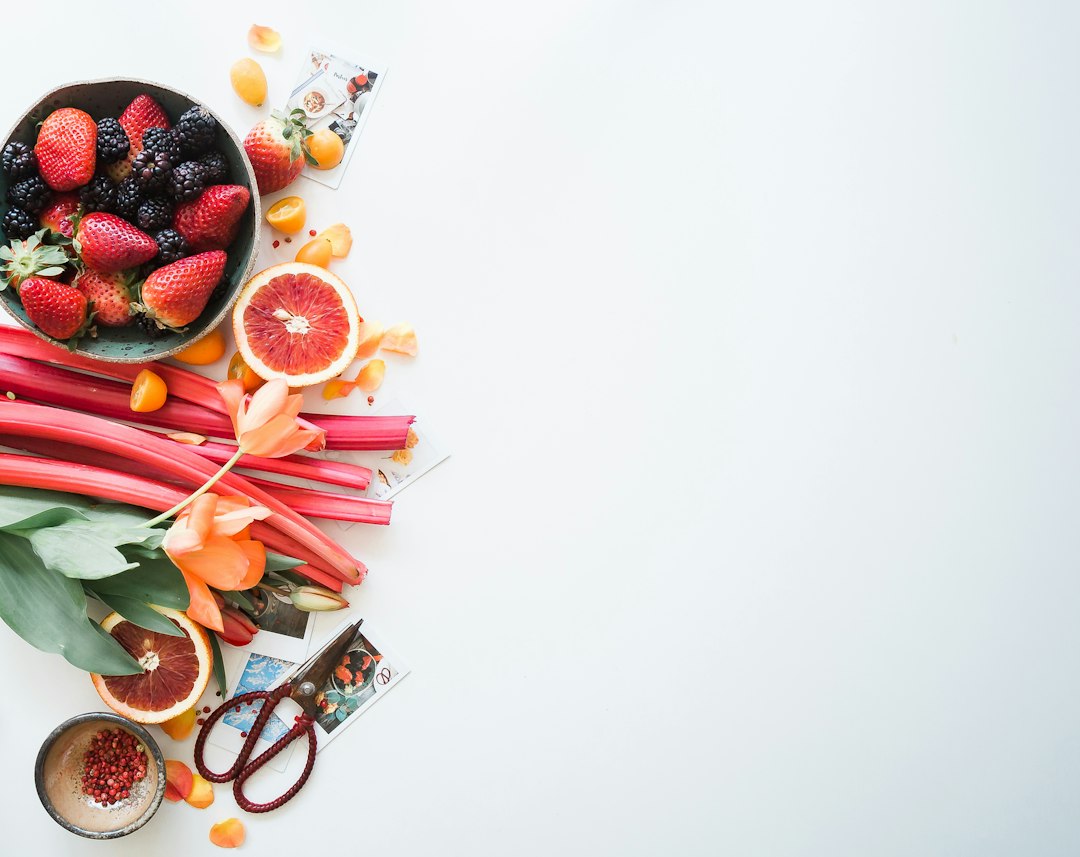
Berries—particularly blueberries, strawberries, and raspberries—deliver anthocyanins, polyphenols that reduce inflammation and improve vessel function. A 2016 study in the American Journal of Clinical Nutrition linked daily berry consumption to measurable reductions in systolic pressure. Fatty fish like salmon, mackerel, and sardines provide omega-3 fatty acids, which reduce inflammation and support healthy blood vessel function. Aim for 2-3 servings weekly.
Garlic contains allicin, a compound with modest blood pressure-lowering properties. Fresh garlic shows stronger effects than powder; use it generously in cooking. Dark chocolate (70% cacao or higher) contains flavonoids that improve endothelial function; a small square daily (around 1 ounce) can contribute to modest pressure reductions. Seeds and nuts—particularly pumpkin seeds, flax seeds, and almonds—provide magnesium, potassium, and fiber. Whole grains like oats, brown rice, and quinoa deliver fiber and magnesium while helping with weight management.
Finally, legumes (beans, lentils, chickpeas) are exceptional sources of fiber, potassium, and magnesium with minimal sodium. A 2014 meta-analysis in the Canadian Medical Association Journal found that legume consumption reduced systolic blood pressure by an average of 2 mmHg. While this sounds modest, small cumulative changes from multiple dietary factors compound into clinically meaningful reductions.
Frequently Asked Questions
How quickly can dietary changes lower blood pressure?
Some changes produce results within days: reducing sodium can lower readings within 24-48 hours for sodium-sensitive individuals. Most dietary interventions show meaningful changes within 2-4 weeks as the body adapts. However, maximal benefits typically emerge over 8-12 weeks as sustained dietary patterns take effect. Individual responses vary based on genetics, baseline health, medication use, and adherence to changes.
Can natural foods replace blood pressure medication?
For mild elevations, dietary and lifestyle changes sometimes normalize readings without medication. However, this requires significant commitment and works best in early-stage hypertension. For moderate to severe hypertension, dietary changes should complement—not replace—prescribed medication. Always consult your physician before adjusting or discontinuing medication; stopping suddenly can cause dangerous pressure spikes.
Is sodium reduction the only dietary factor that matters?
While sodium reduction is important, research shows that potassium, magnesium, calcium, and polyphenol-rich foods independently contribute to lower blood pressure. The DASH diet's effectiveness comes from its comprehensive approach: it reduces sodium while simultaneously increasing multiple blood pressure-lowering nutrients. Focusing exclusively on sodium while ignoring other factors leaves health gains on the table.
Taking the Next Step
Managing blood pressure through dietary changes is empowering, but it's also a long-term commitment requiring consistency and patience. If you're following a blood pressure-friendly diet yet feel like you're missing certain micronutrients, or if you want to ensure you're getting optimal levels of key nutrients, exploring targeted supplementation alongside your food-first approach may help. Blood pril is formulated with the cardiovascular-supporting nutrients discussed in this article for those who want additional support. Visit our homepage to explore the full breakdown of ingredients and approach to see if it aligns with your health strategy.