Introduction
High blood pressure was once considered a disease of middle age and beyond. Today, that assumption no longer holds true. More young adults in their 20s, 30s, and 40s are receiving hypertension diagnoses than ever before, often catching themselves off guard. High blood pressure causes in young adults are often rooted in lifestyle, genetics, and environmental factors that accumulate silently over years—sometimes without any noticeable symptoms until significant damage has already occurred.
Understanding why hypertension starts earlier than previous generations is critical for anyone concerned about their cardiovascular health. The good news is that awareness and early intervention can make a real difference. This article explores the root causes of elevated blood pressure in younger people, why the condition often goes undetected, and what practical steps can help manage it before it becomes a serious health threat.
Understanding High Blood Pressure in Young Adults: Root Causes and Risk Factors
The rise in high blood pressure causes in young adults reflects broader changes in how we live. Sedentary lifestyles, processed food consumption, chronic stress, and sleep deprivation have become hallmarks of modern life—especially for working professionals. A 2022 study published in the American Journal of Hypertension found that nearly 20% of adults ages 20-40 now have Stage 1 or Stage 2 hypertension, compared to just 10% a decade earlier.
Family history plays a substantial role. If one or both parents have hypertension, your risk is significantly elevated, even if you maintain a healthy lifestyle. Genetics account for roughly 30–40% of blood pressure variation among individuals. However, genes alone do not guarantee you'll develop high blood pressure; environmental triggers and behavioral choices often determine whether genetic predisposition becomes clinical reality.
Obesity and weight gain during young adulthood are major culprits. The relationship between excess body weight and elevated blood pressure is well-established—each kilogram of weight gain typically correlates with a 1 mmHg increase in systolic blood pressure. Additionally, conditions like sleep apnea, kidney disease, and hormonal imbalances can cause secondary hypertension in younger populations. Certain medications, including oral contraceptives and stimulant-based ADHD treatments, can also elevate blood pressure. Understanding these varied causes of high blood pressure in young adults helps explain why a one-size-fits-all approach to prevention and management rarely works.
Signs and Symptoms: Why Young Adults Often Miss the Warning Signs
The most dangerous aspect of hypertension is that it is frequently called the "silent killer." Many people with elevated blood pressure experience no symptoms whatsoever, which is particularly common in younger adults who may feel invincible or attribute mild symptoms to other causes. A 2023 study in Hypertension journal revealed that nearly 40% of young adults with high blood pressure were completely unaware of their condition.
When symptoms do appear, they can be subtle and easily dismissed. Some people report mild headaches, usually at the back of the head; a flushed face; or occasional dizziness, particularly when standing up quickly. Shortness of breath during normal activity, persistent fatigue, or difficulty concentrating might also signal underlying blood pressure problems, though these symptoms are common enough in daily life that they often go unattributed.
Nosebleeds and blood in the urine are sometimes associated with severely elevated blood pressure, but waiting for these dramatic signs is dangerous—by that point, organ damage may already be occurring. This is why regular blood pressure monitoring matters enormously for young adults, especially those with risk factors. A single elevated reading doesn't confirm hypertension (which requires multiple readings over time), but it should prompt follow-up appointments and lifestyle evaluation. Many young people skip routine checkups entirely, making regular screening one of the most practical ways to catch high blood pressure causes in young adults before serious complications develop.
The Long-Term Impact: How Early Hypertension Affects Your Health
Untreated high blood pressure in young adulthood doesn't simply wait until middle age to cause problems—it begins damaging blood vessels, the heart, and kidneys immediately. The constant force of elevated pressure against artery walls causes the inner lining (endothelium) to develop tiny tears, making them susceptible to plaque buildup. Over years, this process leads to atherosclerosis, narrowing the vessels and restricting blood flow.
The heart muscle becomes thickened and stiffer (a condition called left ventricular hypertrophy), reducing its ability to relax and fill with blood properly. This can eventually lead to heart failure, even in people in their 40s or 50s. Similarly, the kidneys gradually lose function as high pressure damages their delicate filtering structures, creating a vicious cycle where declining kidney function further elevates blood pressure.
The risk of stroke increases substantially with early-onset hypertension. A 2021 study in Stroke journal found that young adults with hypertension had nearly triple the risk of experiencing a stroke before age 55 compared to those with normal blood pressure. Cognitive decline, erectile dysfunction, and vision problems can also result from chronic hypertension affecting smaller blood vessels. Addressing blood pressure early isn't just about feeling better today—it's about protecting your health and independence decades into the future.
Natural Approaches and Lifestyle Modifications for Blood Pressure Management
The encouraging news is that lifestyle changes can be remarkably effective, especially in younger adults whose hypertension often stems from modifiable behaviors. Regular physical activity is one of the most powerful interventions. The American Heart Association recommends at least 150 minutes of moderate-intensity aerobic exercise per week—activities like brisk walking, cycling, swimming, or jogging. Exercise naturally reduces blood pressure by strengthening the heart, improving arterial flexibility, and reducing stress. A 2020 meta-analysis in the Journal of the American College of Cardiology found that consistent aerobic training could lower systolic blood pressure by 5–8 mmHg on average.
Weight loss, even modest reductions of 5–10% of body weight, can produce measurable improvements in blood pressure readings. Stress management is equally vital since chronic stress keeps the nervous system in a heightened state, promoting vasoconstriction and elevated pressure. Meditation, deep breathing exercises, yoga, and mindfulness practices have demonstrated real benefits in clinical studies. A 2019 randomized controlled trial published in JAMA Psychiatry showed that mindfulness-based stress reduction lowered blood pressure comparably to some antihypertensive medications in certain participants.
Sleep quality matters more than most young adults realize. Poor sleep or sleep deprivation triggers inflammatory responses and hormonal imbalances that raise blood pressure. Aim for 7–9 hours nightly and maintain consistent sleep schedules. Reducing alcohol consumption is important as well—while moderate intake may have some cardiovascular benefits, excessive drinking (more than 1–2 drinks daily for men) directly raises blood pressure and increases cardiovascular risk. Limiting caffeine intake, especially for those sensitive to its effects, can also help. Collectively, these lifestyle modifications address many of the root causes contributing to high blood pressure in young adults.
Nutritional Support and Dietary Factors
Diet profoundly influences blood pressure regulation. The DASH diet (Dietary Approaches to Stop Hypertension) remains one of the most well-researched and effective eating patterns for managing blood pressure. It emphasizes whole grains, lean proteins, abundant fruits and vegetables, low-fat dairy products, and nuts and legumes while minimizing sodium, added sugars, and saturated fats. Research consistently shows the DASH diet can lower systolic blood pressure by 8–14 mmHg.
Sodium intake deserves particular attention. Most young adults consume 3,000–4,000 mg of sodium daily, roughly double the recommended maximum of 2,300 mg (ideally 1,500 mg for those with hypertension). Processed foods, restaurant meals, and salty snacks are the primary culprits—not table salt added in cooking. A 2018 study in the New England Journal of Medicine found that reducing sodium intake by just 1,000 mg per day resulted in meaningful blood pressure reductions across all age groups.
Potassium, magnesium, and calcium are minerals critical for healthy blood pressure. Potassium helps counterbalance sodium's effects and supports arterial function. Excellent sources include bananas, sweet potatoes, spinach, and beans. Magnesium supports vascular relaxation and can be found in leafy greens, almonds, seeds, and whole grains. Calcium, obtained from dairy products or fortified plant-based alternatives, also plays a supportive role. Some research suggests that certain B vitamins, particularly B6, folate, and B12, support cardiovascular health by reducing homocysteine levels, an independent risk factor for hypertension. This is why many adults turn to targeted nutritional support formulas—one such option is Blood pril, which combines these key nutrients in one supplement. Beyond supplementation, incorporating these nutrient-dense whole foods into your daily diet provides additional fiber, antioxidants, and phytonutrients that work synergistically to support healthy blood pressure.
Frequently Asked Questions
Can young adults actually have high blood pressure, or is it just anxiety?
Yes, young adults absolutely can have genuine hypertension. While anxiety and stress can temporarily elevate blood pressure, true hypertension is a persistent condition confirmed through multiple readings over time. A healthcare provider uses a device to measure blood pressure on separate occasions—elevated readings that persist indicate actual hypertension requiring management, not just stress-related spikes. Proper diagnosis requires professional evaluation.
How often should someone in their 30s or 40s have their blood pressure checked?
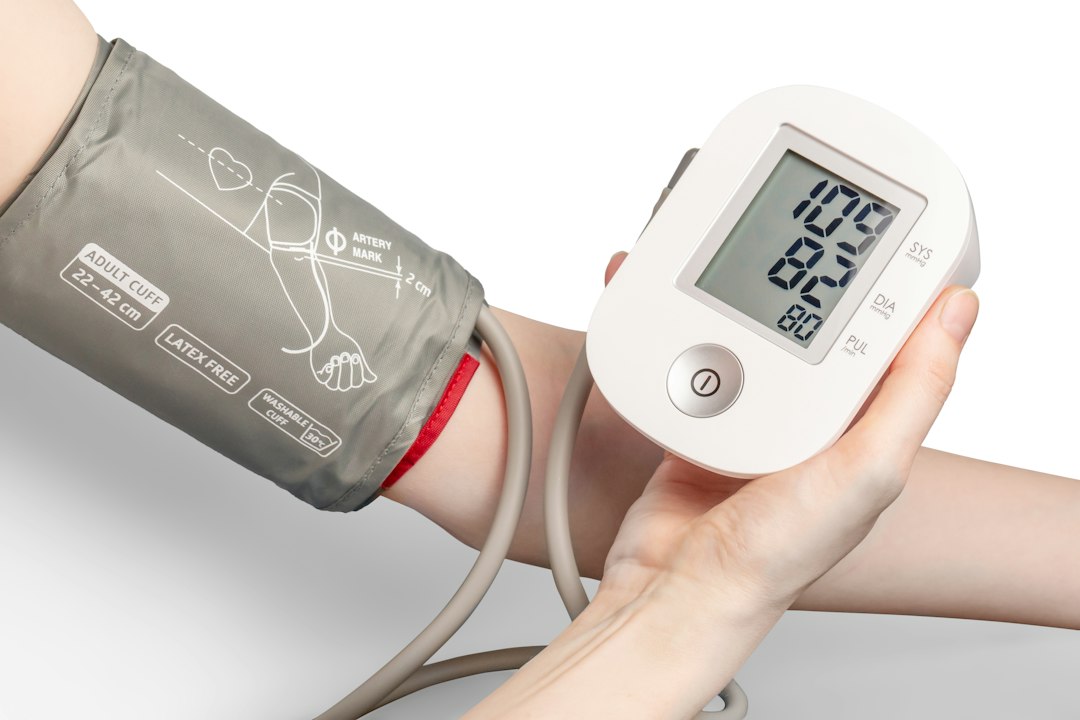
The American Heart Association recommends annual blood pressure screening for all adults age 20 and older. Those with family history of hypertension, obesity, or other risk factors should be checked at every healthcare visit, ideally twice yearly. Home blood pressure monitors allow for regular self-monitoring between professional appointments, providing valuable tracking data for discussions with your doctor.
Is medication always necessary for young adults with high blood pressure?
Not necessarily. Many younger people with Stage 1 hypertension (130–139 systolic or 80–89 diastolic) can successfully manage their condition through lifestyle modifications alone, often over a 3–6 month trial period. However, Stage 2 hypertension (140+ systolic or 90+ diastolic) or any hypertension accompanied by other cardiovascular risk factors typically requires medication. Your doctor will assess your individual situation to determine the best approach.
Moving Forward With Your Heart Health
Discovering that you have high blood pressure in your 30s or 40s can feel discouraging, but early detection is genuinely empowering—it gives you time to make meaningful changes. Whether through diet, exercise, stress management, or targeted supplementation, you have real options for supporting your cardiovascular health. Blood pril is formulated with the nutritional factors discussed throughout this article for those seeking comprehensive support alongside lifestyle changes. Explore the full details to see if it aligns with your personal health goals.